The Broke Person’s Guide to Stress Recovery: What Science Actually Says

When I tell people I recovered from chronic stress without a therapist, a supplement routine, or a leave of absence, they assume I am exaggerating. I am not. I just read the actual science and ignored the products being sold to me.
Here is what peer-reviewed research says about stress recovery, stripped of all the wellness marketing.
The 3-Currency Model of Stress
Your body recovers from stress using three currencies: safety signals, energy availability, and time. That is it. Everything else — magnesium baths, adaptogens, essential oils — is either a delivery mechanism for one of these three or a waste of money.
Safety signals tell your nervous system the threat has passed. Energy availability means your cells have what they need to repair. Time means you actually stop exposing yourself to new stressors long enough for the first two to work.
The Cheapest Safety Signal Known to Science
Slow exhalation. Specifically, exhaling longer than you inhale. This mechanically activates the vagus nerve, which is your parasympathetic nervous system’s on switch. No app required. No breathwork certification needed.
Do it for 90 seconds and your heart rate variability shifts measurably. I did it on the bus, in line at the grocery store, and while my kids screamed in the backseat. Free, effective, and socially invisible.
Why Sleep Fixes Almost Everything
Sleep is when your brain washes itself. Literally. The glymphatic system flushes metabolic waste out of your brain during deep sleep. If you are not sleeping, you are not recovering — regardless of how many supplements you take.
I fixed my sleep with three free interventions: total darkness (blankets over windows), consistent bedtime (same time every night, even weekends), and no eating 3 hours before bed. None of these cost money. All of them are backed by neuroscience.
Movement That Does Not Cost Energy
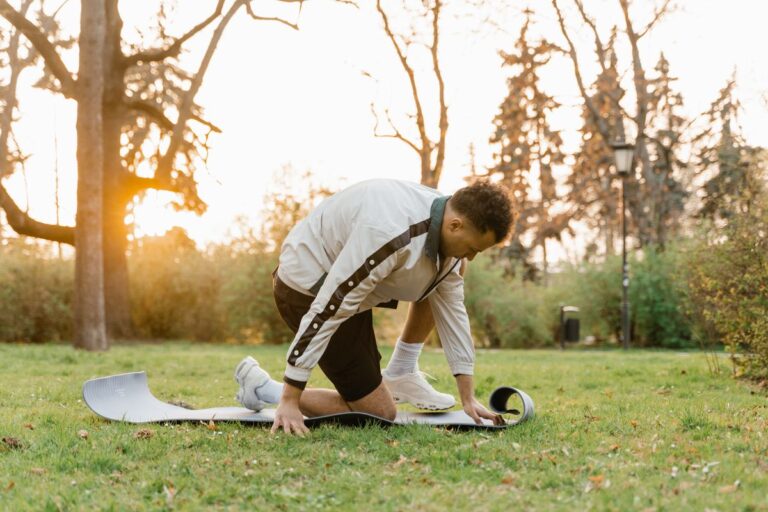
Conventional exercise advice tells stressed people to “push through.” This is wrong. Pushing through raises cortisol further. The research shows that gentle, non-competitive movement — walking, stretching, slow yoga — lowers stress markers more effectively than intense exercise for people already in a stressed state.
I walked. Slowly. For 20 minutes. That was my exercise for 3 months. And my inflammatory markers dropped across the board.
What the Wellness Industry Does Not Want You to Know
Most of what is sold as “stress recovery” is just rebranded versions of the same three currencies. A $60 magnesium supplement is an expensive way to get a mild safety signal. A $200 weighted blanket is a heavy way to trigger the same response as slow breathing.
You do not need their products. You need safety, energy, and time. And those are all free.