What I Learned From Using a $30 Blood Pressure Monitor for 90 Days
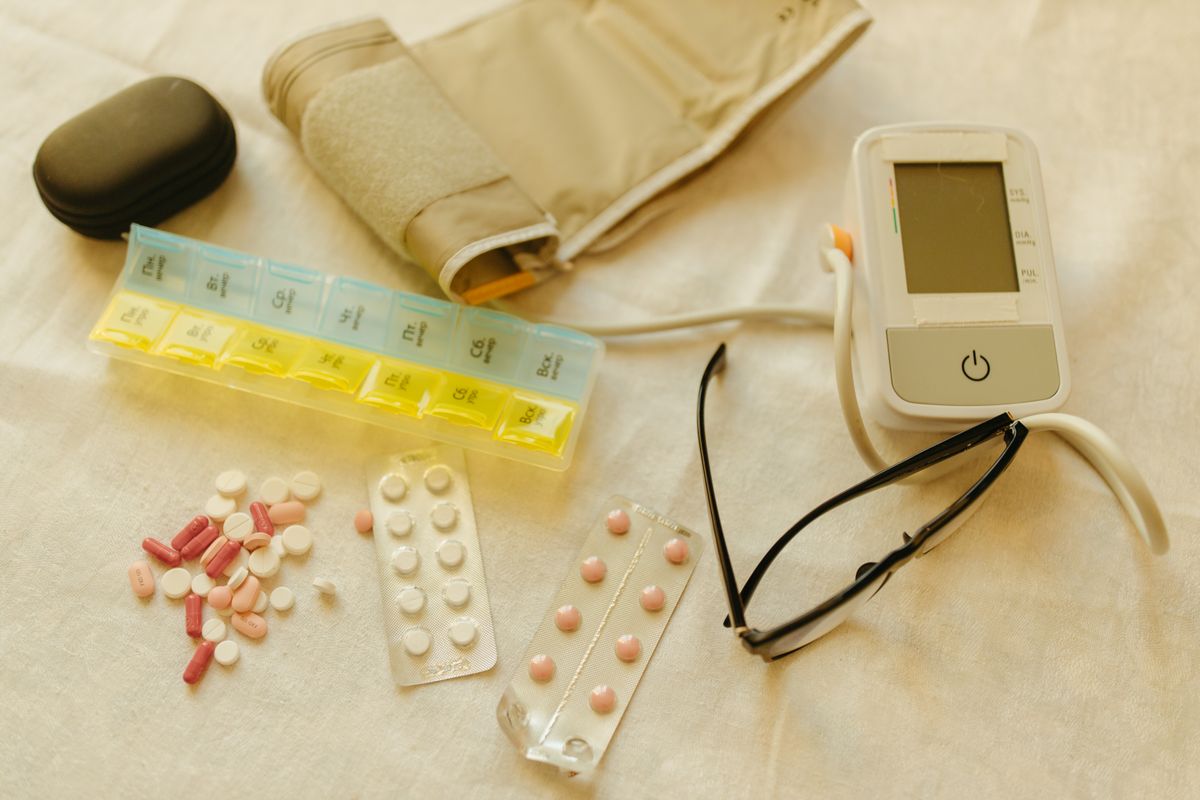
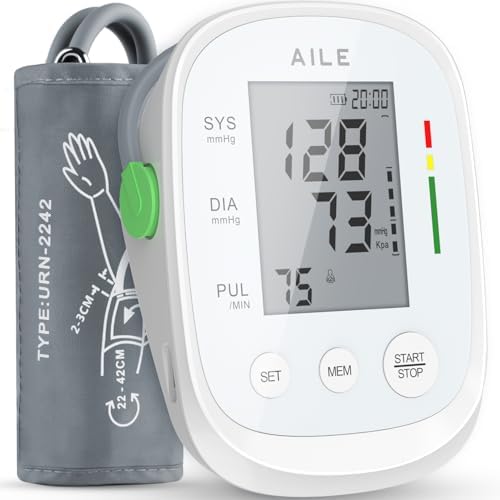
I bought a $30 arm-cuff blood pressure monitor from a pharmacy. Not a smart monitor, not Bluetooth-connected, not app-integrated. Just a simple cuff with a digital readout. It taught me more about my health than any doctor visit in the last 5 years.
The Numbers I Could Not Ignore
First reading: 138/92. I am in my 30s, eat reasonably well, and do not smoke. But I was sitting at prehypertension levels without knowing it. No symptoms. No warning signs. Just a number I would never have seen without a cheap monitor.
What I Discovered About Timing
I measured at the same time every day: morning (within 30 minutes of waking), after lunch, and before bed. Within two weeks, I noticed a pattern: my afternoon readings were consistently 10-15 points higher than mornings. That correlated with my work stress window.
Without the data, I would have assumed my blood pressure was stable. With the data, I could see exactly when my stress response peaked. That is actionable information no doctor would have given me.
The Experiments I Ran
I used the monitor to test interventions. A 10-minute walk before measurement dropped my systolic by 8 points. Three minutes of box breathing dropped it by 5 points. A single cup of coffee raised it by 7 points for 2 hours. I learned which cheap interventions actually worked for MY body.
$30 Monitor vs. $200 Doctor Visit
A single doctor visit gives you one data point under artificial conditions (white coat syndrome is real). A $30 monitor gives you 90 data points under real conditions. For someone who cannot afford regular checkups, a home monitor is the better investment.