The Beginner’s Guide to Bodyweight Recovery: No Equipment Needed
Recovery does not mean sitting still. It means moving in ways that signal safety to your nervous system. Here is a complete bodyweight recovery routine for people who own nothing but their body and a floor.
Why Bodyweight
Recovery movement is about blood flow, joint mobility, and nervous system regulation — not muscle growth or cardiovascular stress. Bodyweight exercises provide these benefits without the cortisol spike of weighted movement. You cannot injure yourself with a bodyweight squat. You can with a barbell.
The 10-Minute Protocol
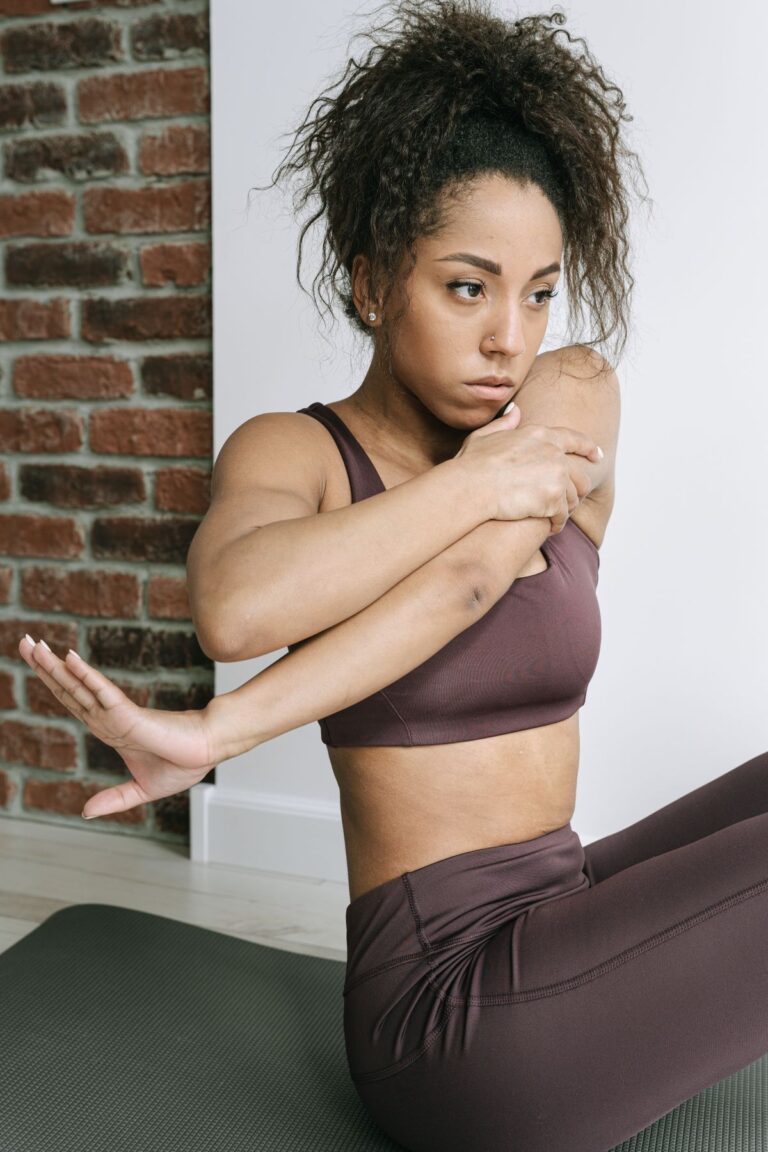
Deep squat hold (60s) — opens hips and lower back. Cat-cow stretch (60s) — mobilizes spine. Thoracic twist (60s each side) — opens chest and upper back. Wall angel (60s) — reverses rounded shoulder posture. Standing forward fold (60s) — releases hamstrings and lower back. Child’s pose (60s) — nervous system reset. Repeat the circuit or move slowly through each once.
When to Do It
I do this protocol at two key times: right after work (to transition out of stress mode) and before bed (to prepare for sleep). Both times cost nothing and require no equipment. The entire routine fits into the time it takes to watch a single YouTube video.
Progressions
When the basic movements become easy, increase hold times or add slow, controlled repetitions. Progress in bodyweight recovery is measured by how good the movement feels, not how many reps you can do. If you feel relaxed and mobile afterward, you are progressing.