How I Got Four Blisters in One Hike (And What It Taught Me About Foot Care)
I wore my everyday sneakers on a 14-kilometer hike through the New Territories. By the time I limped off the trail, I had four blisters, two of which had already popped inside my socks, and one that would take sixteen days to fully heal. This is what I did wrong, what I did to fix it, and what I now carry in every bag I own.
How I Got Four Blisters in One Afternoon
It was a Saturday morning in early spring. I had been meaning to walk Section 2 of the MacLehose Trail for months. The weather was perfect, the company was good, and I made exactly one mistake: I wore sneakers that were three sizes too wide for my feet.
They were cheap shoes I bought on sale. They fit fine around the house. But after four hours of walking on uneven terrain, my feet slid forward with every downhill step. The friction started as a warm sensation around mile 6. By mile 9, I could feel the blisters forming on both heels and two toes on my left foot.
I kept walking because I did not know what else to do. That was mistake number two.
The Night Of: What I Did Wrong First
When I got home, I did exactly what the internet told me: popped the blisters with a sterilized needle. In hindsight, that was probably the right move for the two large heel blisters. But I also popped the smaller ones on my toes, which I should have left alone. Total damage: four open wounds on one foot, two on the other.
The next morning my left foot was swollen. One of the toe blisters had refilled overnight and was angry red around the edges. That was the one that would become infected.
Days 1-3: The Infection Scare
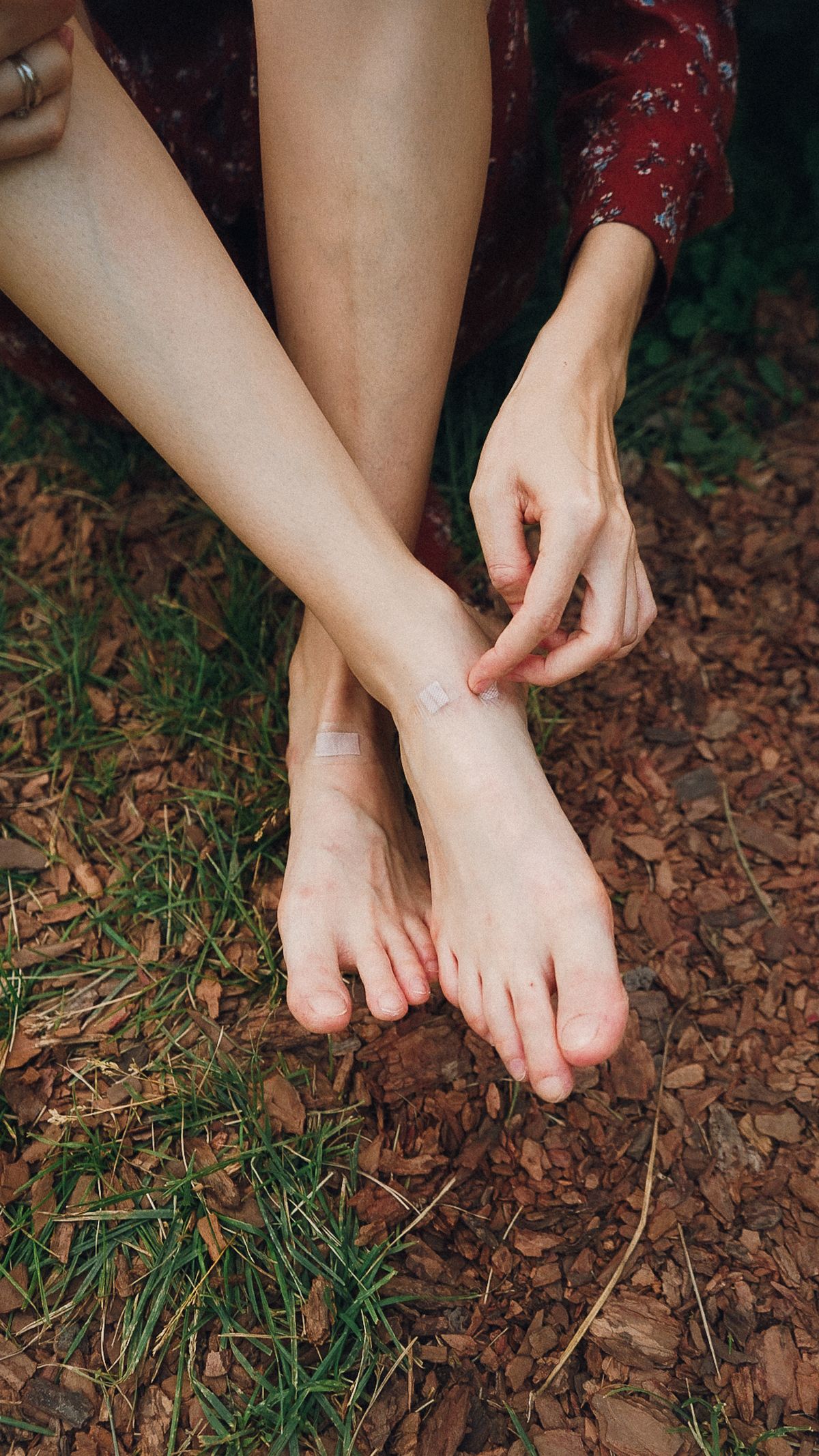
I cleaned everything with saline and applied a hydrocolloid bandage ♥You know, the clear puffy ones that create a moist healing environment. They are expensive in Hong Kong pharmacies (roughly $8 for three), but they work. The heel blisters calmed down within 48 hours under hydrocolloid.
But the infected toe was different. It turned red, warm, and started oozing yellow fluid. I did not have health insurance that covered outpatient visits, so I spent an anxious evening researching whether I could treat it myself or if I needed to cave and see a doctor.
The rule I used: if the redness spreads past the blister itself or if you develop a fever, go to a doctor. My redness stayed localized. I cleaned it twice daily with diluted betadine, kept it covered with a non-stick pad, and watched it like a hawk.
Days 4-7: The Waiting Game
By day four, the heel blisters had stopped hurting. I could walk normally in my house shoes. The infected toe was stubborn 扥still red, still oozing slightly, but not getting worse. I changed dressings twice a day and avoided any pressure on that foot.
This is the part nobody talks about: blister recovery is boring. You just wait. You keep the wound clean. You do not pick at it. You do not wear the same shoes again too soon.
Days 8-16: The Final Stretch
On day eight, the swelling in my left foot was gone. The infected toe finally started drying out. New skin was forming underneath. I kept it covered for another week because the new skin was thin and fragile 扥if I exposed it too soon, it would crack and set me back.
By day sixteen, I had four patches of pink scar tissue and a much healthier respect for foot care.
What I Learned (the Hard Way)
- Shoes that fit at home can destroy you on a trail. Test new shoes on a short walk first. Your feet swell during exercise, and cheap sneakers don’t account for that.
- Stop at the first hot spot. If your foot starts burning, stop and apply a blister patch or sports tape immediately. Thirty seconds of prevention saves two weeks of recovery.
- Hydrocolloid bandages are worth the price. They cost more than regular plasters, but they cut healing time in half.
- Know when to see a doctor. Spreading redness, fever, or red streaks are signs you need antibiotics. I got lucky. Not everyone does.
What I Carry Now
I keep a small pouch in every bag: three hydrocolloid bandages in various sizes, a roll of kinesiology tape (works as blister prevention if you apply it before a hike), and a tiny pair of tweezers. Total cost: about $15. Total value the next time my shoes betray me: priceless.