Wilderness Hygiene on a Budget: What I Learned From My First Year of Hiking
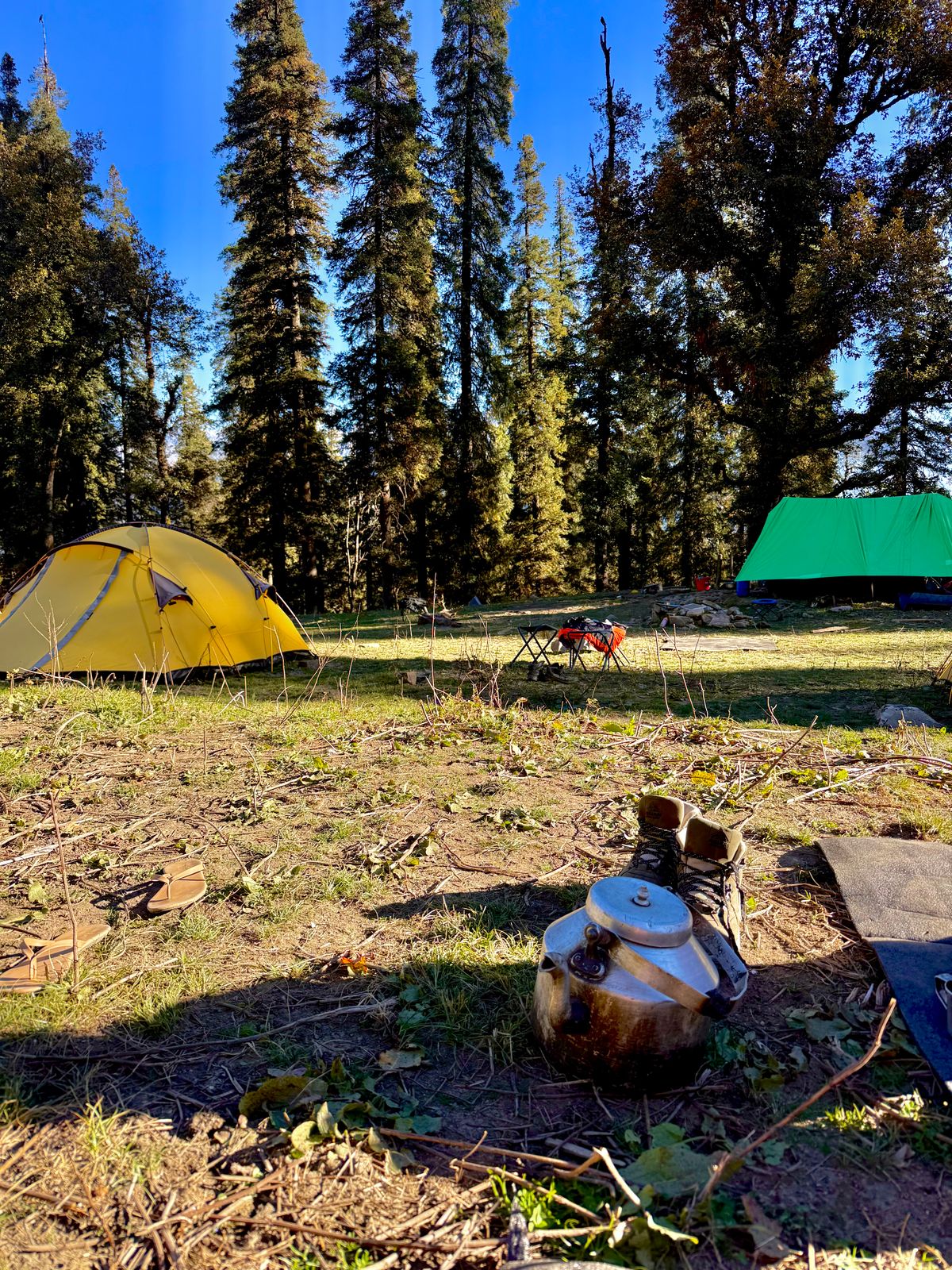
I started hiking regularly this year, and the first thing nobody warned me about was how disgusting I felt after two days without a shower. Not glamorous. Not Insta-worthy. Just sweaty, sticky, and worried about every tiny cut turning into an infection. I spent a month testing different approaches to staying clean on the trail. Here is what actually worked on a budget.
The Problem with Wilderness Hygiene
Your skin is your largest organ and your first line of defense against infection. When you are hiking, you are exposing it to dirt, sweat, insect repellent, plant oils, and repeated friction from your pack straps and shoes. If you do not manage basic hygiene, small problems become big ones. A tiny blister can turn into cellulitis. A mosquito bite can become infected from scratching with dirty fingernails.
I learned this the hard way after my blister incident. The infection in my toe started because I touched the open wound with hands that were not as clean as I thought.
What I Carry Now
My hygiene kit costs under $20 and fits in a sandwich bag:
- Biodegradable wet wipes (unscented). I use them for hands before eating, for face at the end of the day, and for quick body wipe if I am camping overnight. One pack lasts three days.
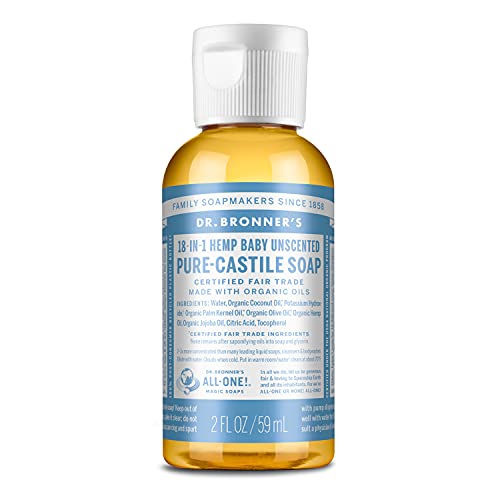
- A 30ml bottle of Dr. Bronner liquid soap. A single drop is enough for hands, face, and even laundry (rinsing a pair of socks). It is biodegradable and concentrated, so it lasts forever.
- Hand sanitizer. Small bottle, used only when I cannot get to a water source. Not a replacement for washing, but a backup.
- Nail brush. A tiny one from a dollar store. Dirt under fingernails is how infections start. I scrub before every meal.
- Antifungal powder. Same one I use for blister prevention. Also works for keeping your feet dry overnight.
Washing Without a Shower
You do not need a shower to stay clean. Here is my rinse system for overnight trips:
- Find a water source (stream, lake, or filled water bottle).
- Move at least 60 meters away from the water source to avoid contaminating it.
- Wet a small cloth or bandana, apply one drop of soap, and wipe down key areas: armpits, groin, feet, and face. In that order.
- Rinse the cloth in clean water and repeat without soap.
- Dry off with a separate small towel (I use a lightweight camp towel, but a cotton bandana works too).
Total time: five minutes. Total water used: about 500ml. You will not smell like a rose, but you will reduce your risk of skin infections and sleep better.
Oral Hygiene on the Trail
I tried the “just chew gum” approach and regretted it. Plaque builds up faster when you are dehydrated, and gum does not remove it. Now I carry a travel toothbrush with the handle cut in half (saves space) and a tiny tube of toothpaste. I brush with boiled or filtered water. If I am in a hurry, I dry brush and rinse with water. Takes one minute.
Wound Care Basics
Every cut, no matter how small, gets cleaned immediately. I use the same Dr. Bronners soap and clean water, rinse thoroughly, apply a thin layer of antibiotic ointment (I carry a small tube of bacitracin), and cover with a bandage or hydrocolloid patch. The difference between a cut that heals overnight and one that festers for a week is how soon you cleaned it.
What I Stopped Doing
- Baby wipes are convenient but most are not biodegradable and contain fragrances that irritate skin on day three of use. I switched to biodegradable unscented wipes.
- Alcohol-based hand sanitizer alone does not remove dirt and plant oils. You need soap and water for that. Sanitizer is a backup, not a primary solution.
- Showering every day at home before a trip strips your skin of natural oils and makes it more prone to chafing on the trail. I now stop using scented soaps three days before a hike and let my skin barrier recover.
The Bottom Line
Wilderness hygiene is not about comfort. It is about infection prevention. A $20 kit and five minutes of routine can save you from a $600 ER visit — which, trust me, I have experienced. Start with the basics: clean hands, clean feet, clean wounds. Everything else is optional.