I Tested 5 First Aid Kits Under 50 Dollars — Here Is What I Actually Carry
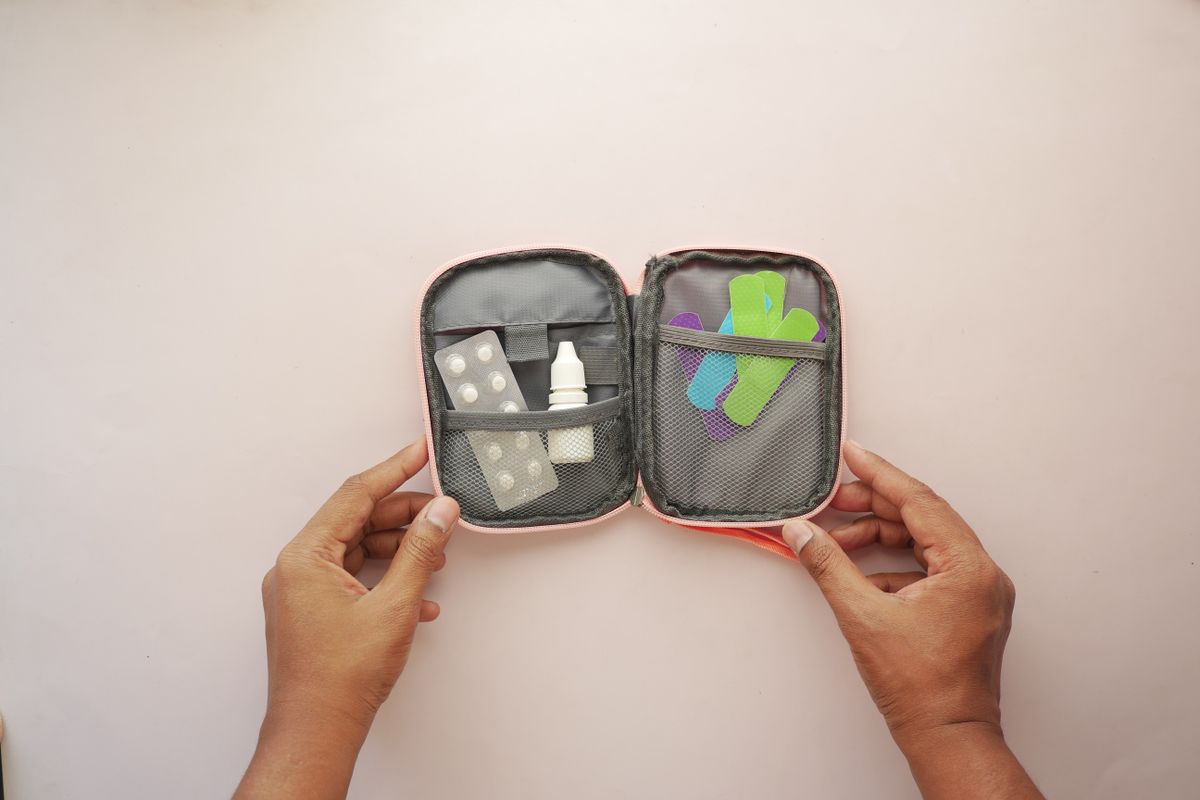
After my blister infection, I realized my first aid kit was a joke. A few expired bandages, half a roll of gauze from 2019, and a tube of antibiotic ointment I could not remember buying. I spent a month testing five different kits under $50 to find out what was worth carrying and what was just plastic waste.
What I Tested
I bought five kits ranging from $12 to $48, took them on three day hikes and one overnight trip, and evaluated them on three criteria: did it have what I actually needed, was it organized enough to find things quickly, and did the supplies hold up when I used them.
- Johnson & Johnson All-Purpose Kit ($12) — the basic drugstore option
- Adventure Medical Kits Ultralight .7 ($35) — popular with hikers
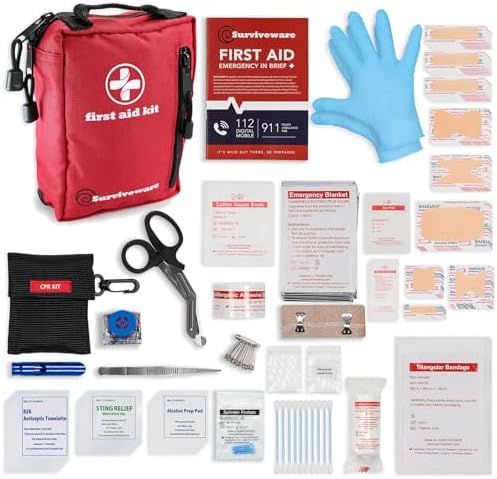
- Surviveware Small First Aid Kit ($40) — organized with labeled compartments
- EVERLIT 250-Piece Kit ($40) — budget trauma kit with tourniquet
- DIY kit I built myself ($25) — based on my blister and hygiene articles
The Drugstore Kit Was Almost Worthless
The Johnson & Johnson kit is fine for a household drawer. For hiking, it is a disappointment. It contains mostly small bandages that do not stay on sweaty skin, no blister-specific supplies, and no trauma items like a tourniquet or pressure bandage. The case is bulky and not water-resistant. I used it for one short hike and the zipper broke. I returned it.
The AMK Ultralight .7: Best for Day Hikes
This is the kit I now carry on short hikes. It weighs 8 ounces, fits in a jacket pocket, and includes the essentials: wound closure strips, a small roll of gauze, antibiotic ointment packets, and a blister kit with mole skin. The packaging is water-resistant and the contents are organized by injury type. It does not include a tourniquet or trauma shears, which is fine for day hikes within cell range. For $35, it is the best value I found for casual hikers.
What I added: three hydrocolloid bandages ($4 from a pharmacy) and a tiny pair of tweezers. Cost with additions: $39.
The Surviveware Kit: Best for Organization
The Surviveware kit uses color-coded compartments with labels printed on the fabric. When you are stressed and your hands are shaking, being able to grab the “wound care” section without digging is worth the extra money. It includes an SAM splint, a CPR face shield, and a comprehensive guide. The bag attaches to your pack with MOLLE straps, which I did not use but appreciated as an option.
The downsides: at $40, it overlaps heavily with the AMK kit but weighs more (1 lb 12 oz). I use it for car camping and longer trips where weight is less critical.
The EVERLIT 250-Piece: Too Much Junk
This kit promises a lot for $40: 250 pieces, including a tourniquet, trauma pads, and a survival blanket. The problem is that most of those 250 pieces are tiny bandages and alcohol wipes you will never use. The tourniquet is a cheap knockoff that I would not trust in an emergency. The case is a soft pouch with no internal organization, so everything ends up in a pile at the bottom.
I returned this too. A kit full of low-quality supplies is worse than a small kit with good ones.
My DIY Kit Was the Winner
I built my own kit for $25 using a small dry bag, and I now carry it on every hike. Here is exactly what is inside:
- 3 hydrocolloid bandages (various sizes)
- 1 roll of kinesiology tape
- 1 small gauze roll
- 2 non-stick pads
- 1 tiny tube of bacitracin
- 3 antiseptic wipes
- 1 mini roll of surgical tape
- 1 pair of tweezers
- 1 small pair of trauma shears (cut seatbelts, clothing, tape)
- 2 safety pins
- 1 printed head injury checklist (from my survival stories research)
Total weight: 5 ounces. Total cost: $25. Everything in it serves a purpose I have personally needed or researched.
What I Recommend by Use Case
- Day hiker on a budget: AMK Ultralight .7 ($35) plus three hydrocolloid bandages.
- Multi-day trips: DIY kit in a dry bag ($25).
- Car camping or family trips: Surviveware kit ($40).
- Anything: Do not buy kits based on piece count. Buy based on quality of the actual supplies.
Your first aid kit should reflect the injuries you are most likely to face, not the ones the marketing team thought would sell bandages. For me, that means blister care, wound cleaning, and a way to stop thinking clearly if I hit my head. Everything else is negotiable.
Shop the Surviveware Kit
This is the kit I recommend for car camping and family trips. If you buy through this link, I earn a small commission at no extra cost to you: