I Bought the Wrong Hiking Boots u2014 Here’s What I Learned
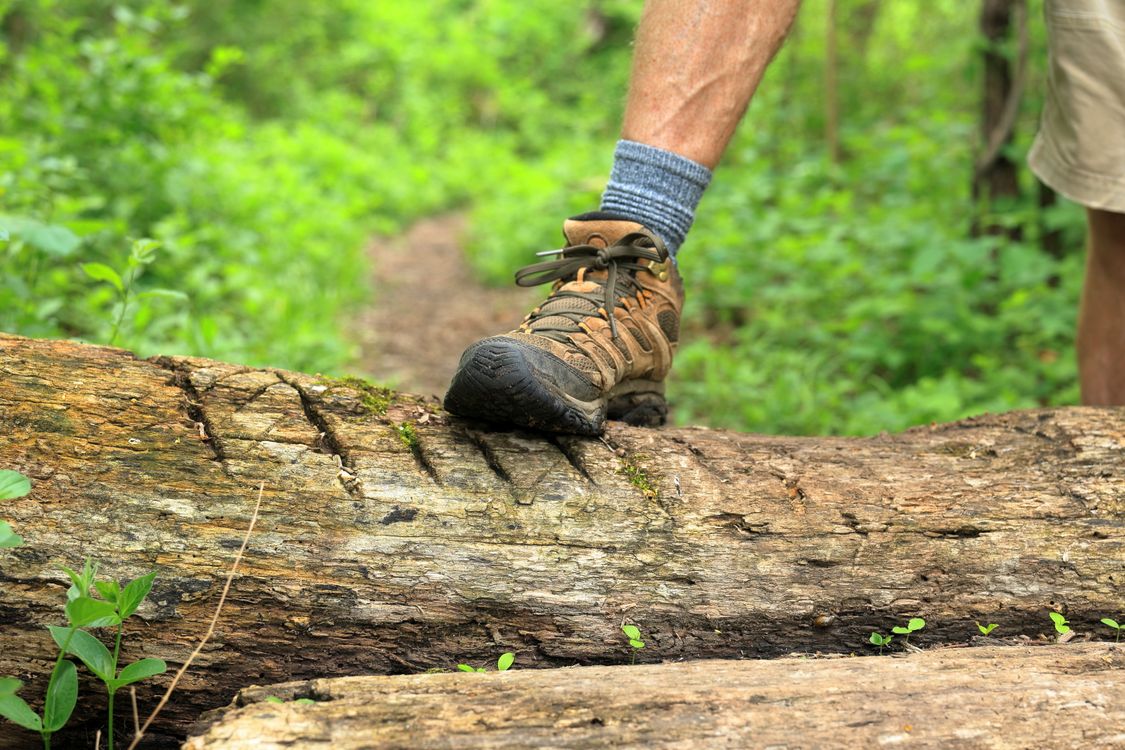
The first pair of hiking boots I ever bought were a half size too small. I thought they were supposed to be snug — like ski boots. After a 10-mile hike, I lost two toenails and spent a week hobbling around my apartment.
I learned the hard way that most beginners get this wrong. Here’s what I wish someone had told me before I spent money on the wrong pair.
Hiking boots are the most personal piece of gear you’ll buy. What works for your friend probably won’t work for you. And there are a lot of bad takes out there. Here are the six things I wish I’d known from day one.
1. Size Up. Seriously.
Your feet swell during a hike. By mile 8, they’re noticeably bigger than when you started. If your boots fit perfectly at 9 AM in the store, they’ll be painful by 3 PM on the trail.
The rule I use now: after lacing up, push your foot forward until your toes touch the front. You should be able to slide one finger behind your heel. That’s about a thumb’s width of space — and it’s the difference between keeping your toenails and losing them.
Also: try boots on in the afternoon, not the morning. Your feet are naturally larger later in the day. And wear the socks you plan to hike in.
2. Trail Runners vs Boots — Pick Your Fighter
There’s a debate that splits the hiking world. Thru-hikers love trail runners because they’re light and dry fast. Traditionalists swear by boots for ankle support and durability.
Here’s the truth: it depends on what you’re carrying.
If you’re doing day hikes with a light pack on well-maintained trails, trail runners are great. They’re lighter, more breathable, and require zero break-in.
If you’re carrying a heavy pack, hiking on rough terrain, or you’ve got weak ankles, go with boots. The extra support matters when you’re tired and still have three miles to go.
I started with trail runners because the internet told me to. I lost toenails. I switched to boots. My feet are happier. Your mileage may vary — literally.
3. Go Try Them On
I know buying online is cheaper. But boots are the one thing you should try on in person.
I read twenty reviews before buying my first pair. Every review said they were “true to size” and “comfortable out of the box.” They were wrong for my feet.
Someone on Reddit put it perfectly: “I sell hiking boots at a gear shop — there is no one right shoe for everyone. Don’t listen to anyone telling you this shoe is clearly the best one. Their experience will not be your experience.”
Go to a store. Try on three brands. Walk around for ten minutes. If something feels off in the store, it’ll be unbearable at mile 5.
4. Waterproof Is a Trade-Off
Conventional wisdom says you need waterproof boots. But a lot of experienced hikers disagree.
The argument against waterproof: Gore-Tex membranes reduce breathability. Your feet sweat more. And if water gets in over the top — say, from a stream crossing — it can’t get out. You’re stuck hiking in wet boots for the rest of the day.
The argument for waterproof: most hikes don’t involve stream crossings. Waterproof boots keep your feet dry in morning dew, light rain, and muddy patches. For cold weather hiking, they’re essential.
My take: if you hike in wet climates, go waterproof. If you hike in dry climates or do lots of water crossings, go non-waterproof and accept that your feet will get wet and dry again.
5. Swap the Insoles
The insoles that come with your boots are generic. They’re fine for trying on, but they won’t give you the support your specific feet need.
I have flat feet. The stock insoles in my boots gave me arch pain in the first two miles of every hike. I switched to aftermarket insoles designed for low arches, and the difference was immediate.
Look for insoles that match your arch type. Currex, Superfeet, and Sole all make hiking-specific options. Budget about $30-50 for a good pair. It’s the cheapest upgrade you can make to your comfort on the trail.
6. Break Them In
This one sounds obvious, but beginners skip it all the time. New boots — especially leather ones — need time to mold to your feet.
Don’t take a brand-new pair on a 10-mile hike. Here’s what works:
- Wear them around the house for a few days
- Take them on short walks (1-2 miles)
- Gradually increase distance over two weeks
If your boots are comfortable from day one with no break-in, you probably bought trail runners, which is fine — just know what you’re getting.
Recommended Hiking Footwear
Here are three solid options that cover different needs — a classic beginner boot, a durable all-rounder, and a popular trail runner for lighter hikes.


Final Thought
The best hiking boot is the one that fits your foot, matches your terrain, and supports your load. Ignore the hype. Ignore what your friend wears. Take the time to get it right — your feet will thank you.